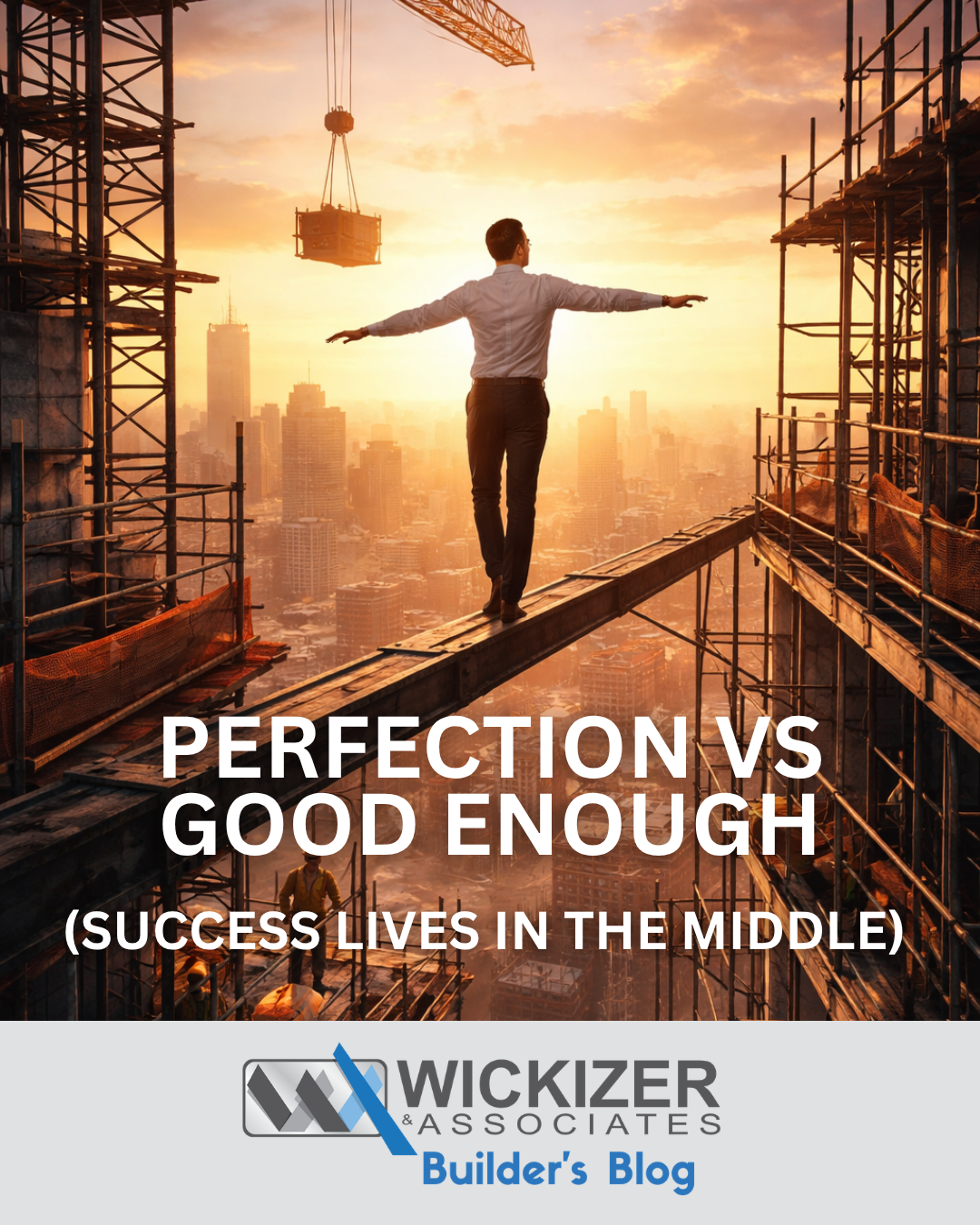
Along the performance continuum lies perfection and “good enough”. On the perfection side, there is a belief that everything must be flawless before it’s ready. On the other side of being “good enough”, there is a quiet acceptance of mediocrity. One leads to paralysis, and nothing ever gets accomplished. The other leads to stagnation and underwhelming results.
The sweet spot lies somewhere in the middle, where we seek excellence or to be exceptional. It is in this sweet spot of performance where growth occurs and where business and personal success happen.
Why Perfection is Nearly Impossible
Perfectionists (myself included, as a recovering perfectionist) often delay starting or finishing because things are not “quite right”. We don’t begin, because the climb to the top of perfection seems impossible or just too daunting. Projects don’t launch. Ideas never get shared, and opportunities pass.
I mulled over launching a podcast for years, and my perfectionism created so much inertia that it stalled progress. My coach advised me that it was okay to start with an imperfect podcast, as long as I committed to improving it along the way. The podcast will launch soon, and I’m certain it will NOT be perfect, but it is launching.
You may find yourself overthinking and refining endlessly, only to realize that progress never actually happens.
Moving from 90% to 100% often requires disproportionate time and effort with little added value. That last 10% can cost you momentum, opportunities, and energy better spent elsewhere.
The Hidden Danger of Being “Good Enough”
If perfection is the extreme that stops you, “good enough” is the one that slowly lowers your ceiling. “Good enough” rarely pushes boundaries. It maintains the status quo, and in competitive environments, average does not survive. It gets replaced.
There was a roofing contractor that slowly went out of business because over time, he reduced the quality of the products he used, and he began to cut corners in his work. Soon, problems began to emerge, and he was slow to respond. His loyal customers left for other, better performing contractors and his reputation tanked.
If you want to blend in and be mediocre then be “good enough”. If you want to stand out and rise above the masses, then strive for excellence.
The Case for Excellence
Excellence lives in the space between perfection and mediocrity. It is not about being flawless. It is about consistently being exceptional and seeking for continuous improvement. Excellence means delivering consistent high-quality results and taking pride in what you do. It means raising your standards and seeking to do the best to your ability. If you are not satisfied with your ability, get better.
Excellence compounds. A single exceptional effort may go unnoticed, but consistent excellence builds a solid reputation, high trust and opens opportunities over time.
How to Operate at an Exceptional Level
Excellence is not an event, it’s a mindset. It’s a commitment to live with higher standards and to deliver exceptional results. Here is how it’s developed:
- Define clear standards: You cannot target what you haven’t defined. Ask: What does excellence look like in my work? What separates average from exceptional in my field of work? What is the least I will stand for? Then raise your standards accordingly.
- Prioritize consistency over intensity: Excellence is not about occasional heroic effort. It’s about showing up daily with a high level of execution. An exceptional day followed by three mediocre ones does not build excellence. Consistent strong performance does.
- Seek feedback and refine: Exceptional people are always seeking to improve. They ask for input and a critique of their output, then they adjust accordingly. Feedback is not criticism – it’s data for growth.
- Take ownership: Excellence requires full responsibility and taking 100% accountability. There is no blaming the market, the customer, the team or bad timing. Taking ownership creates control and control facilitates improvement.
- Commit to long-term measured growth: Excellence is built over time, and it requires patience, repetition, and resilience. Additionally, excellence needs to be measured to an ever-evolving benchmark. One saying I held onto is “what gets measured, gets done”. Very true.
Perfection is a myth that slows you down and “good enough is a mindset that holds you back. Excellence is the standard that moves you forward. Begin today to develop the standards of excellence you will hold yourself and your business to. The result will be a better life, greater business success and no regrets as you look back onto the timeline of your life.
Rick Wickizer is a trained and ICF credentialed business coach and a successful entrepreneur. Rick has served the building industry for over 30 years and is dedicated to adding value to all he works with. For information about coaching services provided by Rick, go to: rickwickizer.com
To subscribe to this blog, go HERE